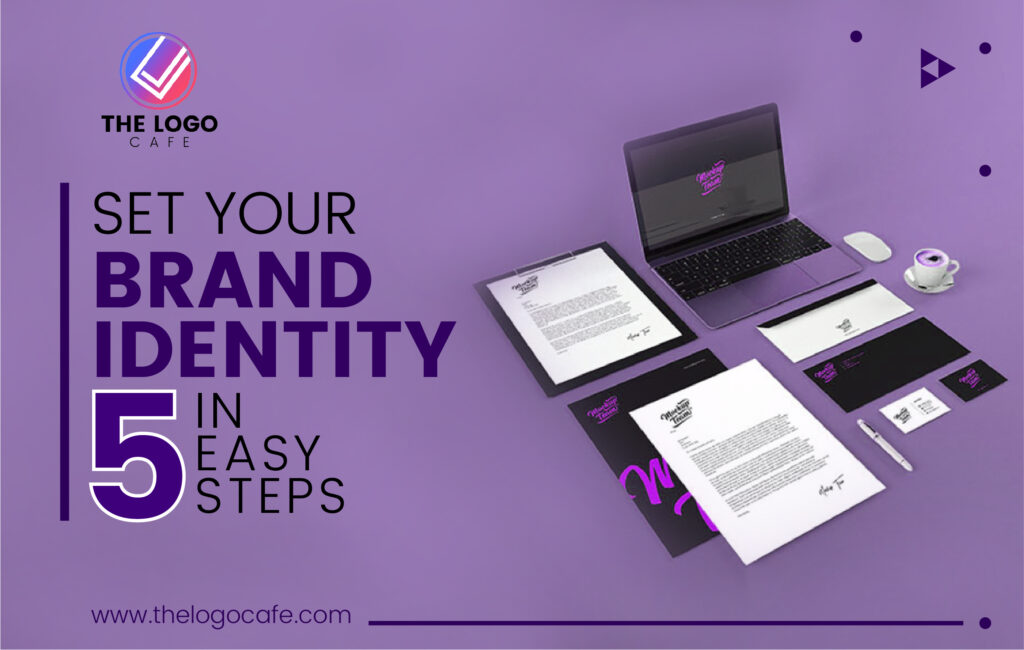
It’s hard to neglect that brand identity is everything you need when establishing a business. It’s a proven fact that people often choose brands because of their attractive branding.
The brand identity stands for consistency and conveyance of the brand message. They are delivering the same message through verbal and visual cues. Let consumers know you’re a reliable authority, instilling trust, loyalty, and sales through the brand.
Everything from your logo, typography, colors, packaging, and messaging reinforces your brand’s reputation and identity.
If you understand how these elements deliver a unified experience, you can build a unique brand identity like every successful business.
The Steps to Get Brand Identity
Building a brand identity is a process; every component must support your overall business goals.
No matter where you are in the business development process, it’s essential to go over these critical steps to ensure you’re well on your way to building a solid brand identity.
Here’s an overview of the ten key branding identity elements you need to create a brand identity that is strong, consistent, and attractive.
Make Your Business Name Catchy –
Your business name should represent the product or service and differentiates it from competitor brands in the market. It’s often the first impression you leave on potential customers.
Consider a name that best describes who you are as a business and what you provide. It needs to be unique, easy to remember, aligned with your brand personality (I’ll get into that later), and have an available trademark.
Choosing a business name is a common obstacle for new business owners, but don’t let that keep you from moving forward!
Get The Perfect Logo
Your logo is the primary visual focal point of your entire brand identity. Consider the message you want to resonate with your audience while communicating your business message.
Whether you use a designer or design your logo, it should capture the essence of your brand. Remember that it should be simple, timeless, scalable, and memorable.
Done right, a logo can grab and hold your target audience’s attention, make a lasting impression, separate you from competitors, and foster brand loyalty.
Many business owners spend a lot of time developing the best, most original design to make their brands stand out. Instead, focus on establishing patterns (through colors, fonts, and icons) that evoke a certain feeling from your audience.
Don’t Miss a Catchy Tagline
After your business name and logo, your tagline is a potent marketing tool. A good tagline should evoke a response from your target audience.
A tagline captures your brand’s unique value and helps your audience associate your business with an overarching idea.
However, a tagline is not a must for all businesses. Could it be useful? Yeah. Is it supercritical to the success of your business? No. You might just decide to skip it altogether, and that’s fine! A tagline is also something you can add later on as your business progresses.
Choose Your Typography
Typography is the effective umbrella term all fonts fall under. It’s just the specific way letters are arranged.
Choosing the right typography in your logo could bolster your overall brand. Whether designing a logo for a photography business or a Zumba side hustle, your font can be critical to effective brand recognition.
There are five prominent font families, each with its personality. Once you understand each font’s distinct characteristics, you can choose which best represents your business.
- Serif – Conveys an air of tradition and formality, which is ideal for academic, editorial, and financial organizations.
- Sans-serif – Easy to read and straightforward; a popular choice among start-up and tech companies.
- Slab serif – Bold and impactful, slab serif fonts are frequently used by car and technology companies.
- Script – Well-suited for businesses that want to express elegance and add a personal touch, such as photographers, coaches, or any family-owned brand.
- Decorative – Loud, fun, and entertaining, these fonts look great on logos with short business names.
Choose Your Brand Color Wisely
Color is the most emotionally engaging element in your brand identity. Deciding on a color palette is crucial to enhance your identity and adding versatility to your designs.
According to color psychology, colors elicit an emotional response, like blue expresses calm and red conveys passion. Even adjusting the shade can alter the emotion elicited. Think about how baby blue evokes calmness, whereas a darker shade of blue instills trust. Knowing the feelings specific colors express can help you select the right ones for your brand.
Conclusion
Setting a brand identity doesn’t take place overnight. It’s a process that starts with choosing a business name, then designing your logo, typography, etc. These elements will come together in time to form your brand’s unique identity.
You might have some setbacks, and that’s okay! Even the most prominent brands we all know and love have made mistakes along the way, the New Coke debacle being an example. But if you stick to your brand strategy and follow this guide, you’ll be on track to building a solid brand identity.
functionalities.